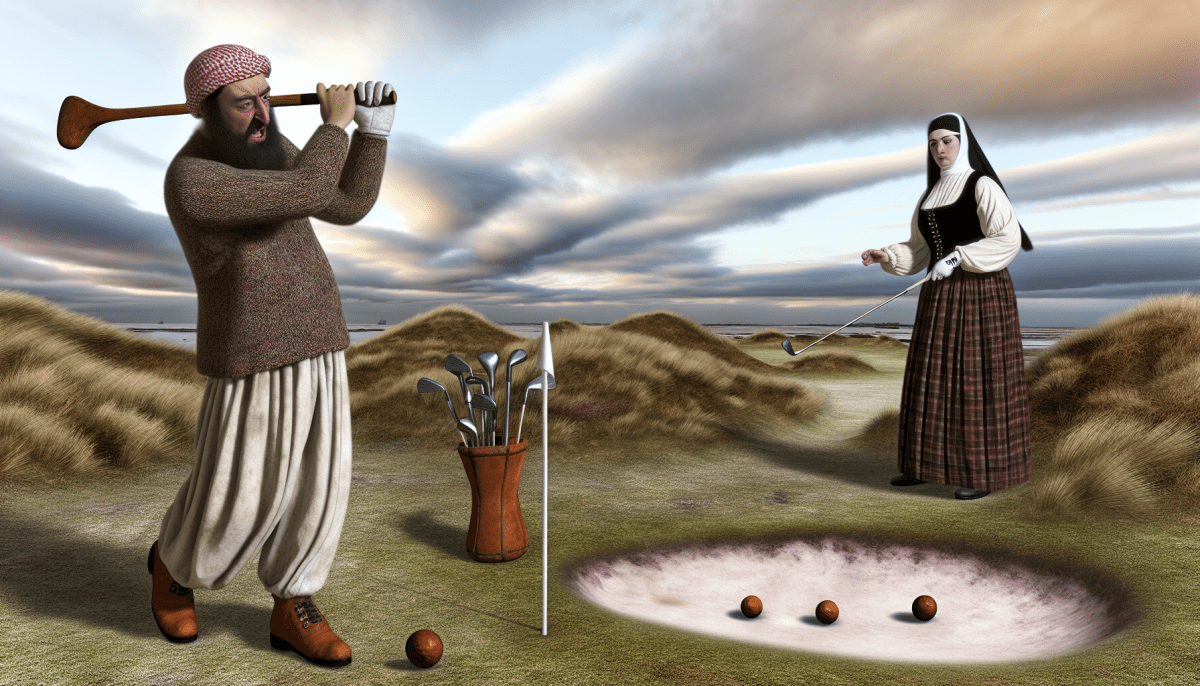
Golf has a long and fascinating history that dates back centuries. The game we know today traces its roots to Scottish pastimes in the 15th century. Picture this: men hitting stones with sticks on the rough terrain of Scotland. Sounds a bit like a medieval version of golf, right? The Scots loved their outdoor games, and this quirky activity eventually evolved.
One of the earliest records of golf appeared in a law passed by the Scottish Parliament in 1457. King James II thought the game was taking away from military training. Can you imagine that? People were so into golf that the king actually had to step in! But even royal disapproval couldn't stop the sport. Golf continued to grow in popularity, especially among the nobility.
Fast forward to the 16th century, and golf began to take shape. The first golf course opened in St Andrews around 1552, laying the groundwork for many more to come. This course, known as the Old Course, remains a bucket-list destination for golfers today. The rules also started to standardize, making it easier for players to enjoy a game without confusion over the expectations.
By the 17th century, golf made its way beyond Scotland. The game spread to England and even crossed the Atlantic to America. Different variations popped up, but the essential charm of golf—a combination of skill, patience, and a love of the outdoors—stayed the same.
Golf's Growth Through the Ages
Golf has come a long way since its origins. In the 15th century, it started to take shape in Scotland, where players hit wooden balls into holes dug in the ground. Can you imagine that? Just a bunch of folks having fun whacking balls around the landscape!
As the game spread beyond Scotland, it really started to evolve. The first official rules popped up in the 1740s. Imagine the excitement of running around the course, trying to follow the new game rules. By the 19th century, golf made its way to the United States, where it quickly became a favorite pastime for many. The first golf club in America was established in 1888, and from there, it looked like golf was here to stay!
The 20th century was a turning point for golf. With figures like Bobby Jones and later legends like Arnold Palmer, the sport gained massive popularity. More and more courses opened up, and televised tournaments brought the game right into people's living rooms. Everyone wanted to play like their idols!
Today, golf continues to grow. With advancements in technology, players enjoy better equipment and smarter coaching techniques. From young kids swinging plastic clubs to pros smashing drives, golf is accessible to everyone. The game's journey is pretty amazing, and who knows where it will go next?
Key Milestones in Golf History
Golf has come a long way since its early days, and there are some key milestones that really shape the game we know today. It all started back in the 15th century in Scotland. The first written record of golf dates back to 1457 when King James II banned the game because he thought it distracted soldiers from archery practice. Imagine that!
Fast forward to the 18th century, and golf really started gaining popularity. In 1744, the first official rules of the game were established by the Company of Edinburgh Golfers. These rules laid the groundwork for the game and showed that golf was becoming a serious sport, not just a pastime.
Then in 1860, the first-ever open championship took place at Prestwick Golf Club in Scotland. This was a huge moment for golf, making it accessible to players from different backgrounds, and introducing the idea of competitive golf to everyone. It got people buzzing about the sport and paved the way for future tournaments.
Jumping into the 20th century, golf took off in the United States. The PGA (Professional Golfers' Association) was formed in 1916, marking the beginning of organized professional golf. With this move, pros had a way to connect, compete, and elevate the game across the country.
As the years rolled on, golf only grew in popularity, leading to massive events like The Masters, which started in 1934, and the Ryder Cup, which began in 1927. These milestones reflect how golf evolved from a backyard game to a global sensation—everyone loves a good round of golf!
Modern Golf and Its Future
Modern golf has seen some exciting changes over the years, making it more accessible and enjoyable for everyone. Today, you can find courses that welcome players of all skill levels. Plus, technology has played a huge role in how we play the game. With advanced clubs and high-tech golf balls, players can expect improved performance right out of the box.
But it’s not just the equipment that's changing; the way we play is evolving too. Many courses now offer flexible tee times and shorter formats, catering to busy schedules. Have you tried a 9-hole round? It’s a great way to fit golf into a tight day without sacrificing fun. And let’s not forget about the rise of golf simulators, allowing you to play a round without even stepping outside!
The future of golf looks bright. With efforts to make the game more diverse and inclusive, more people are starting to pick up clubs. Programs aimed at getting kids involved are popping up everywhere, ensuring a new generation of golfers. So whether you're a seasoned pro or a curious newbie, there’s plenty to look forward to in the world of golf.
As golf continues to innovate, it’s exciting to see how it adapts to our changing lifestyles. From smart wearables that track your swing to apps that help improve your game, the possibilities are endless. It's clear that golf is here to stay, and it's evolving in ways we never imagined!